
When new ingredients, product formats, or health benefits begin to gain attention, moving quickly to capture the market becomes crucial. If a brand enters the market at the right moment, it can raise brand awareness, build customer loyalty, and open valuable sales channels before the category becomes saturated, thereby capturing market share. However, how to shorten “supplement manufacturing lead time” is the central challenge everyone cares about, and it should never mean skipping necessary quality testing or making hasty new decisions.
For KX Nutra, the most reliable way to shorten time to market is to eliminate avoidable waiting in the development process. Clear and strict specifications, more than 1,000 practical and feasible formula design options, qualified raw material supply, packaging solutions developed in advance around customer needs, and a coordinated approval process can all effectively reduce delivery delays while ensuring product consistency through standardized and professional execution at every step. When these elements are managed together, “supplement manufacturing lead time” becomes more predictable without lowering quality standards, allowing products to reach the market one step ahead.
This guide will explain in detail the practical steps supplement brands can take and how to move a product more efficiently from the concept stage to the final finished-product stage.
Table of Contents
1. Complete the Product Requirement Specification Before Development Begins
An incomplete product specification is one of the most common causes of project delays. If the target dose, serving size, flavor, dosage form, bottle count, and target sales market are still changing, the manufacturer cannot efficiently finalize the formula or confirm the production requirements.
If you have needs in this area, you can use the practical product brief I share below as a reference. It should clearly define:
– Target customers and target market
– Dosage form and directions for use
– Main ingredients and target amounts
– Flavor, color, sweetness, and texture preferences
– Dietary requirements and excluded ingredients
– Bottle, pouch, sachet, stick pack, or carton packaging
– Target order quantity and expected shipping date
– Required testing, certifications, and label claims
Defining these core technical specifications early can reduce repeated quotation work, sample preparation, and artwork revisions. This is one of the simplest ways to control “supplement manufacturing lead time” before production begins.
Every timely response during early communication helps shorten “supplement manufacturing lead time” by allowing the technical and commercial teams to work from the same approved requirements. Locking the brief also helps keep “supplement manufacturing lead time” stable from the day the project begins.
2. Choose the Right Level of Formula Customization
Customization helps create product differentiation, but every added variable may require raw material sourcing, compatibility review, flavor adjustment, stability evaluation, or new samples. Many companies have a common misunderstanding: they habitually assume that a formula containing more ingredients must be more valuable to customers.
Brands should decide whether to use a fully custom formula, a modified stock formula, or a ready-to-use product according to the product’s launch needs. When production speed and early market validation are high priorities, using a proven base formula can shorten “supplement manufacturing lead time.” When a product requires a distinctive dose, a specific ingredient combination, unique sensory characteristics, or a particular brand position, a custom formula may be the more suitable choice.
The purpose is not to remove ingredients that have real value, but to remove ingredients that increase complexity without supporting the product concept. A streamlined formula is easier to source, manufacture, test, and explain to consumers. Choosing the right development route can therefore keep “supplement manufacturing lead time” aligned with the brand’s differentiation strategy and product launch priorities.
One especially valuable point is that formula simplicity can not only shorten “supplement manufacturing lead time” but also improve production repeatability.
So, How Can You Efficiently Identify a Suitable Formulation Approach?
KX Nutra uses a formula feasibility analysis:
Before requesting samples in volume, the manufacturer should be asked to review ingredient dosages, physical compatibility, flavor impact, moisture sensitivity, and processing requirements. Identifying difficult-to-handle raw materials early can prevent several weeks of formula adjustment later.
A feasibility assessment gives the team a stronger basis for estimating “supplement manufacturing lead time” before ordering materials and samples.
3. Confirm Raw Material Availability Early:
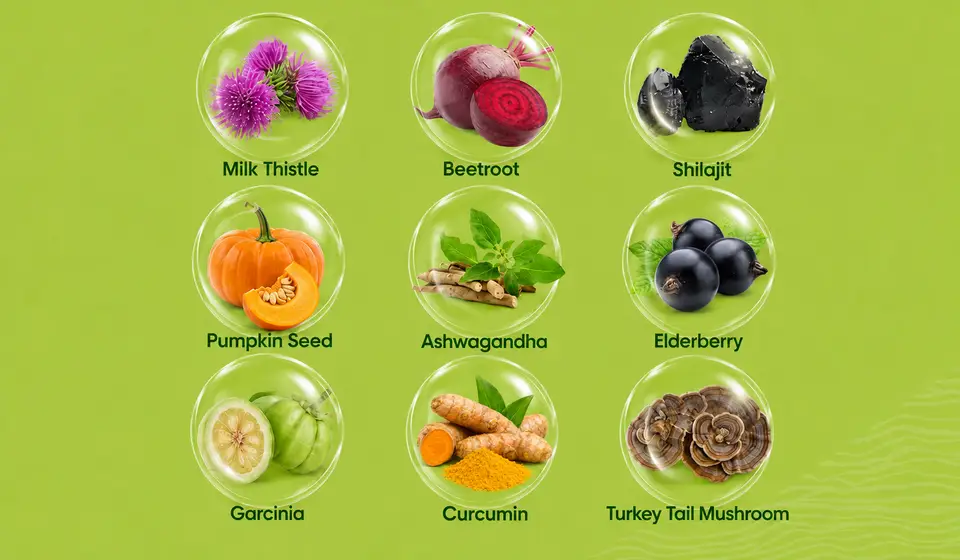
Raw material sourcing can have a major impact on “supplement manufacturing lead time.” Specialty botanical extracts, branded ingredients, special potencies, natural colors, and specific flavor ingredients may require longer purchasing cycles or higher minimum order quantities.
At the quotation stage, confirm whether the proposed materials are in stock, regularly purchased, or being purchased specifically for the project. If the supply of a material is uncertain, technically feasible alternatives should be discussed before the formula is approved.
Reliable raw material sourcing is not only about choosing the fastest supplier. The raw materials purchased should meet the technical specifications agreed by both parties, including identity, purity, potency, microbiological requirements, and contaminant limits. A qualified sourcing strategy helps prevent short-term cost savings from causing production failures or even batch rejection.
Therefore, supplier qualification can protect product quality while also controlling “supplement manufacturing lead time.” Be sure to choose manufacturers with cGMP credentials and FDA registration.
At the Same Time, Develop an Approved Alternative Plan
For high-risk ingredients, the brand and manufacturer can agree on acceptable alternatives in advance. Any alternative must still pass technical, regulatory, sensory, and label review. This plan can effectively protect “supplement manufacturing lead time” when market supply changes unexpectedly.
4. Develop Packaging and Labels in Parallel
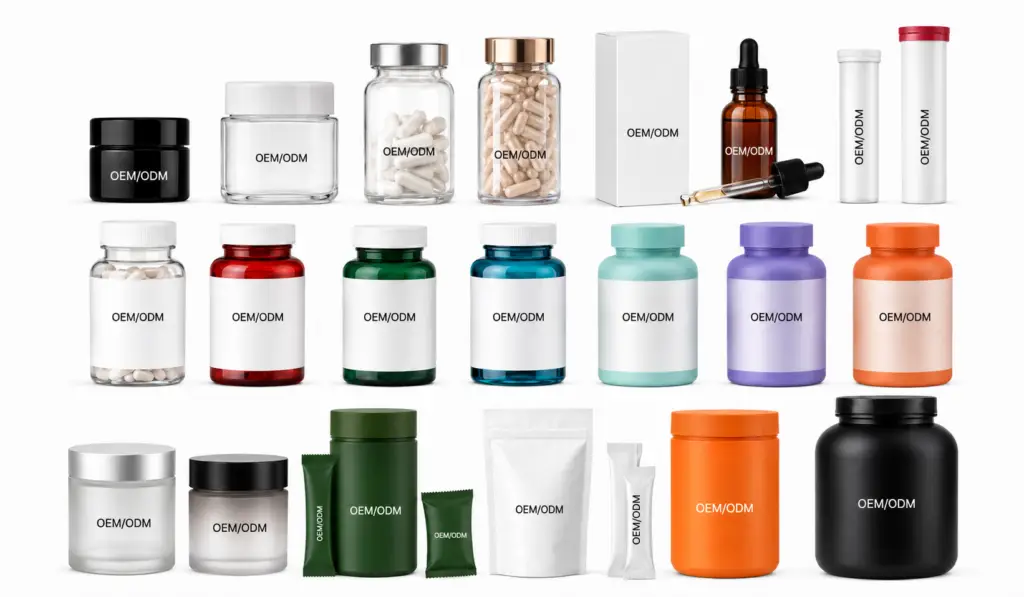
Packaging design should not wait until the product has formally entered production. Bottle type, closure method, desiccant, pouch barrier layer, scoop, carton, label dimensions, and filling configuration can all affect the production process and product protection.
Once the formula and serving specifications have been sufficiently determined, packaging selection and label design can begin at the same time. The design team can start preparing the layout, while the technical team confirms the Supplement Facts panel, ingredient list, net quantity, directions for use, warnings, storage conditions, and necessary business information.
Parallel development shortens “supplement manufacturing lead time” because artwork approval, packaging purchasing, and production preparation no longer need to be carried out as completely separate stages.
The packaging path should be included in “supplement manufacturing lead time” from the first project schedule, rather than being added only after the formula has been completed.
Confirming components early helps keep “supplement manufacturing lead time” aligned with actual production conditions.
Second, Try to Avoid Late Packaging Changes
Changing the packaging format from a bottle to a pouch, adjusting the quantity in each container, or adding an outer carton after artwork approval can all affect product dimensions, pricing, component purchasing, and filling plans. Approving the packaging structure early helps keep the project moving steadily.
A reasonable packaging plan helps predict “supplement manufacturing lead time” more accurately and reduces the risk of missing a production slot.
5. Establish a Clear Approval Process
A factory cannot continue production while key information is still awaiting confirmation. Slow responses to quotations, samples, label proofs, invoices, packaging specifications, and production details may consume far more time than the actual manufacturing operation.
Assign one project owner who has the authority to consolidate comments and approve decisions. Set internal response deadlines and send one complete revision list instead of having several team members send separate messages.
A simple approval tracking system should include:
– Item requiring approval
– Responsible person
– Submission date
– Required response date
– Final decision
– Impact on the schedule
Efficient and well-organized communication helps effectively control “supplement manufacturing lead time” and reduces errors caused by conflicting instructions.
By establishing a unified response calendar, “supplement manufacturing lead time” becomes a shared responsibility between the brand and its manufacturing partner.
6. Integrate Quality Control Into the Production Plan
Testing should not be treated as the final obstacle. A well-designed quality plan should integrate inspections into material receiving, production, filling, packaging, and finished-product release. This allows potential problems to be identified promptly when they first arise.
The appropriate testing plan should be based on the product, ingredients, manufacturing process, target market, and contractual technical requirements. It may include testing for product identity, purity, potency, microbiological quality, heavy metals, physical properties, sensory characteristics, weight, fill, sealing, or packaging.
Skipping necessary quality control steps may lead to rework, product rejection, customer complaints, or product recalls. These consequences affect “supplement manufacturing lead time” far more than planned testing does. When technical specifications, sampling points, acceptance standards, and release responsibilities are agreed before production, quality and speed can work together.
In the United States, dietary supplement manufacturing and quality control operations are governed by 21 CFR Part 111.
When testing is planned at the correct stages, “supplement manufacturing lead time” should include quality control rather than being interrupted by it. Planned control measures can therefore keep “supplement manufacturing lead time” consistently stable and manageable.
7. Reserve Production Capacity Based on Practical Milestones
Production-slot planning becomes easier when formula approval, the advance payment, materials, packaging, and design files all follow the agreed schedule. Reserving capacity too early, before the required inputs are complete, may cause the production plan to be adjusted. Reserving too late may place the batch behind other confirmed projects.
Use a master timeline to connect customer approvals with purchasing and key factory milestones. When all dependencies are clearly visible, the manufacturer can estimate “supplement manufacturing lead time” more reliably and identify schedule risks earlier.
Regular milestone reviews allow the team to update “supplement manufacturing lead time” before a small delay affects the launch plan.
8. Start With a Precisely Focused Initial Launch
Launching several dosage forms, flavors, and packaging specifications at the same time increases the number of samples, components, proofs, purchase orders, inspections, and approvals. For a new product concept, starting with one strong hero product can reduce project complexity and accelerate the learning process.
A focused new-product launch strategy allows the brand to validate market demand, collect customer feedback, and optimize its marketing strategy before expanding the product line. Once the operating process has been validated, new flavors, packaging specifications, or related products can be introduced based on more accurate forecasts and clearer product specifications.
This approach can shorten the first “supplement manufacturing lead time” while building a stronger foundation for future products.
9. How a Quality Manufacturer Shortens Supplement Manufacturing Lead Time
An experienced private label supplement manufacturer should not be limited to operating production equipment. It should also help integrate formula design, raw material sourcing, sample preparation, packaging, label support, quality control, production, and shipping into one coordinated project.
When selecting a partner, ask:
– Can the team review formula feasibility before sampling?
– Can it explain which raw materials or packaging components have longer lead times?
– Are quality requirements clearly defined before production?
– Can formula development, label design, and packaging design move forward in parallel?
– Is there a clear project contact and approval process?
– Can the manufacturer provide a practical milestone schedule?
The answers reveal whether a supplier can actively manage “supplement manufacturing lead time” or only provide a production estimate after all decisions have already been made.
A reliable partner should explain the assumptions behind “supplement manufacturing lead time” and communicate promptly when those assumptions change.
If you would like to learn more about the supplement manufacturing process, continue following our website. If you have purchasing or customization plans, you can contact KX Nutra’s professional customer service team directly, and we will respond within 24 hours.
How Long Is Supplement Manufacturing Lead Time?
The project timeline varies depending on the dosage form, formula complexity, raw material availability, packaging method, order size, testing requirements, and approval speed. A standard formula using standard packaging may reach the market faster than fully customized gummies, powders, capsules, tablets, softgels, or liquid products. You are advised to request a project-specific schedule rather than relying on one general estimate. You can also send your requirements directly to our customer service team, and we will provide a professional response within 24 hours.
How Can a Brand Shorten Supplement Manufacturing Lead Time?
Start by preparing a complete product requirement specification, approve the formula promptly, confirm raw materials and packaging early, develop the visual design at the same time, and appoint one decision-maker. These measures remove waiting time without affecting the necessary quality control steps.
Does a Custom Formula Always Take Longer?
Custom development normally requires more technical review and sample testing than directly using an off-the-shelf formula. However, a clear project requirement specification, feasible ingredient choices, available materials, and a fast approval process can all improve the efficiency of development.
The final impact on “supplement manufacturing lead time” depends on the number of development cycles and the readiness of materials and packaging.
Can Testing Be Skipped to Speed Up the Launch?
Necessary testing and quality control measures must not be skipped. We do not manufacture unregistered, untraceable, or non-compliant products. The testing plan should match the product, process, technical specifications, target market, and applicable requirements. Discovering a problem only after filling or distribution may substantially extend the timeline and significantly increase costs.
When Should Packaging Development Begin?
Packaging development should begin after the formula, packaging specifications, product quantity, and protection requirements have all been sufficiently defined. Early selection allows packaging design, component purchasing, filling preparation, and technical review to move forward at the same time.
What Information Is Needed to Create an Accurate Production Schedule?
Please provide the formula or product concept, dosage form, serving size, package count, flavor, order quantity, target market, packaging type, testing requirements, and expected delivery date. The more complete the information, the more accurately the manufacturer can estimate “supplement manufacturing lead time”.